
The CS2 skin economy keeps evolving, and February 2026 continues the trend with a steady stream of cosmetics appearing across new cases, collections, and trading markets. While many players discover new skins through CS2 case battle key-drop.com sessions or traditional case openings, the broader catalog of items expands far beyond what any single case contains.
Unlike fixed item systems in most games, the CS2 cosmetic ecosystem grows through multiple sources. New skins may appear through newly released cases, special operations, or themed collections tied to maps and seasonal updates. That constant flow keeps the trading market active — and prices moving.
Below is a look at how new skins enter the ecosystem in 2026 and several standout examples currently attracting attention among collectors and traders.
How new CS2 skins enter the market
New skins rarely arrive as a single release. Instead, Valve typically introduces them through collections or cases containing multiple weapon finishes. These releases often follow recognizable themes — futuristic patterns, neon designs, or realistic weapon coatings.
Once a new case enters the game, its skins quickly spread across the community through openings and trading. Some remain relatively common, while others immediately become rare collector items depending on drop probability and demand.
In addition to official case releases, the trading ecosystem plays a huge role in determining which skins become popular. A weapon finish that initially looks average can suddenly gain attention if professional players start using it or if collectors begin targeting specific float values or patterns.
Standout CS2 skins in early 2026
Even with hundreds of skins circulating across the market, a few consistently appear in price discussions among traders and collectors.
The AWP | Desert Hydra remains one of the most expensive sniper rifle skins available. Depending on condition, prices in early 2026 generally range between €1,500 and €5,000, with Factory New variants commanding the highest demand.
Another skin frequently discussed in the trading community is the M4A1-S | Printstream. Known for its clean monochrome aesthetic and animated detailing, this skin continues to maintain strong value, often selling between €200 and €900 depending on wear condition.
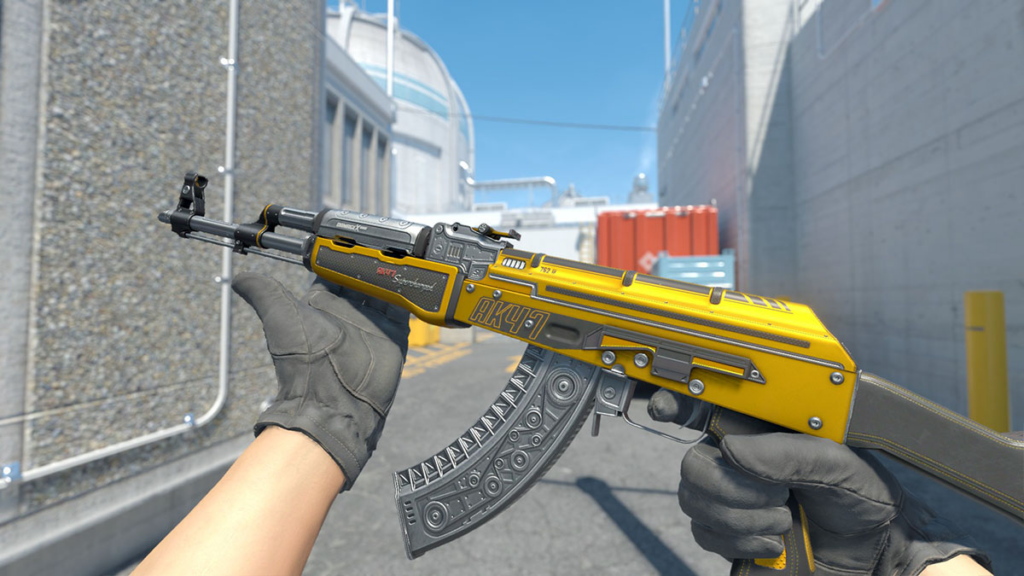
For AK-47 users, AK-47 | Neon Rider remains a fan favorite thanks to its vibrant cyberpunk design. Market prices usually fall between €120 and €600, though rare float values can push that higher.
Knife skins remain the most volatile part of the market. The Karambit | Doppler regularly appears in high-value trades, typically ranging from €900 to €2,500, while the Butterfly Knife | Fade can easily reach €1,800 to €4,000 depending on the fade percentage and wear level.
These numbers fluctuate constantly, but they provide a useful snapshot of the price ranges currently circulating in the market.
Why some skins become expensive
Several factors determine whether a skin becomes a collector item or stays relatively affordable.
Rarity plays the most obvious role. Higher-tier skins appear far less frequently in cases, which naturally increases their market value. But rarity alone doesn’t guarantee demand.
Visual design matters just as much. Skins with strong visual identity — bold colors, recognizable patterns, or animated effects — tend to attract attention faster. Community perception can turn certain finishes into long-term favorites.
Condition is another critical variable. Each skin exists in multiple wear states, ranging from Factory New to Battle-Scarred. Even small visual differences can significantly affect pricing, especially for collectors who prioritize pristine finishes.
Finally, pattern variation can influence value. Certain skins generate unique pattern distributions, making specific variants extremely rare. These small visual differences sometimes become highly desirable among dedicated traders.
Case opening and discovery
Many players encounter new skins for the first time through case openings. New cases typically include a mix of common, rare, and extremely rare items, creating a layered distribution of cosmetic rewards.
Case Battle mechanics add another dimension to this experience. Instead of opening cases individually, players can compare results directly with others, creating a competitive dynamic around the same drops.
Because everyone opens identical cases in battles, the outcome depends entirely on which items appear during each opening sequence. That competitive format has become a popular way for players to interact with newly released skins.
The constantly shifting CS2 skin market
One of the defining features of the CS2 cosmetic economy is its volatility. Prices rarely stay fixed for long. A skin that seems moderately priced today can rise sharply if supply drops or if the community suddenly adopts it as a favorite.
Conversely, newly released skins often start expensive before gradually stabilizing once more items enter circulation.
This constant movement is part of what keeps the market active. Collectors, traders, and casual players all participate in shaping the value of skins over time.
Looking ahead
As 2026 continues, the CS2 cosmetic ecosystem will likely see even more additions through new cases and collections. Each update introduces fresh designs and occasionally new standout items that capture the attention of the community.
For players exploring the latest skins — whether through trading, collecting, or opening cases — understanding how rarity, design, and market demand interact is the key to navigating the ever-growing CS2 catalog.